


How AI Upsell Emails Recover Abandoned Carts and Boost AOV
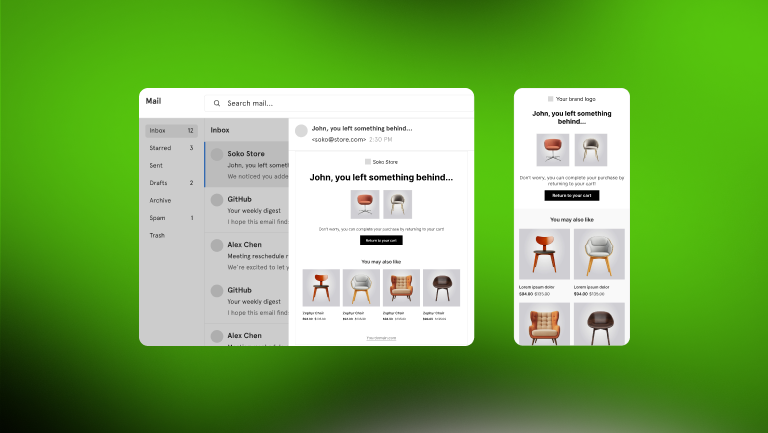
Table of content
In eCommerce, every shopper interaction generates valuable behavioral data that can be turned into revenue growth opportunities. Among these, abandoned carts represent one of the most overlooked yet impactful touchpoints. Cart abandonment happens at a decisive moment: customers have shown clear purchase intent but pause before checkout.
Rather than viewing this as lost traffic, many merchants now use AI-powered upsell emails to re-engage hesitant shoppers and convert indecision into sales. This is especially effective during major sales periods like Black Friday and Cyber Monday, when comparison shopping peaks and abandonment rates surge.
While this tactic benefits businesses of all sizes, its impact is most significant for B2B, Shopify Plus, and enterprise-level merchants with large catalogs and high order volumes, where even a small increase in recovered revenue or AOV can meaningfully move the needle.
Pain Point: Cart Abandonment Doesn’t Mean No Sale
According to global eCommerce reports for 2024, the average cart abandonment rate reached 70.2%, marking a 3.1 percentage point increase compared to 2023. Industries such as fashion, beauty, and fast-moving consumer goods (FMCG) tend to see even higher abandonment rates, typically ranging from 75% to 80%, especially during large promotional events.
Regionally, the abandonment rate stands at 71.8% in North America, while the Asia–Pacific region records a higher rate of 78.1%, reflecting intensified competition and the growing prevalence of omnichannel shopping behaviors. Notably, around 45–50% of abandoned carts occur within the first hour after customers leave the site, underscoring the critical importance of timely re-engagement strategies.
Data from Baymard Institute further highlights the most common reasons behind cart abandonment: unexpected extra costs (48%), mandatory account creation (24%), complicated checkout processes (17%), and lack of suitable payment options (9%). However, a significant portion of shoppers do not abandon their carts because they’ve lost interest. Instead, many leave to continue browsing, compare alternatives, or because they are not fully satisfied with their current selection. This segment represents a high-conversion potential if approached with the right message at the right time.

A closer look at customer behavior reveals that most abandoned carts do not result from a loss of interest or technical issues but from lingering hesitation. In other words, these carts are not “abandoned” due to lack of demand but because shoppers have not yet found the right product fit or are still evaluating their options. Common scenarios include:
- Uncertainty about product selection: Shoppers may like a product but are unsure about details such as color, style, size, or variations. This is especially prevalent in industries like fashion, accessories, and beauty.
- Seeking alternative options: Many customers don’t abandon immediately but leave the site to explore alternative products within the same category, compare prices, or check reviews on other stores before making a decision.
- Price comparison behavior: During sale seasons, it is common for shoppers to open multiple tabs and add products to several carts simultaneously, making their final decision hours or even days later.
- Lack of motivation to complete checkout: Even if the product fits, customers may postpone checkout because they don’t feel a sense of urgency or because the abandoned cart email they receive fails to persuade them to return.
Importantly, these customers are still very close to making a purchase. They have chosen products, added them to their cart, and demonstrated clear buying intent. However, if there is no mechanism to retain their attention or offer timely alternatives, this opportunity is easily lost.
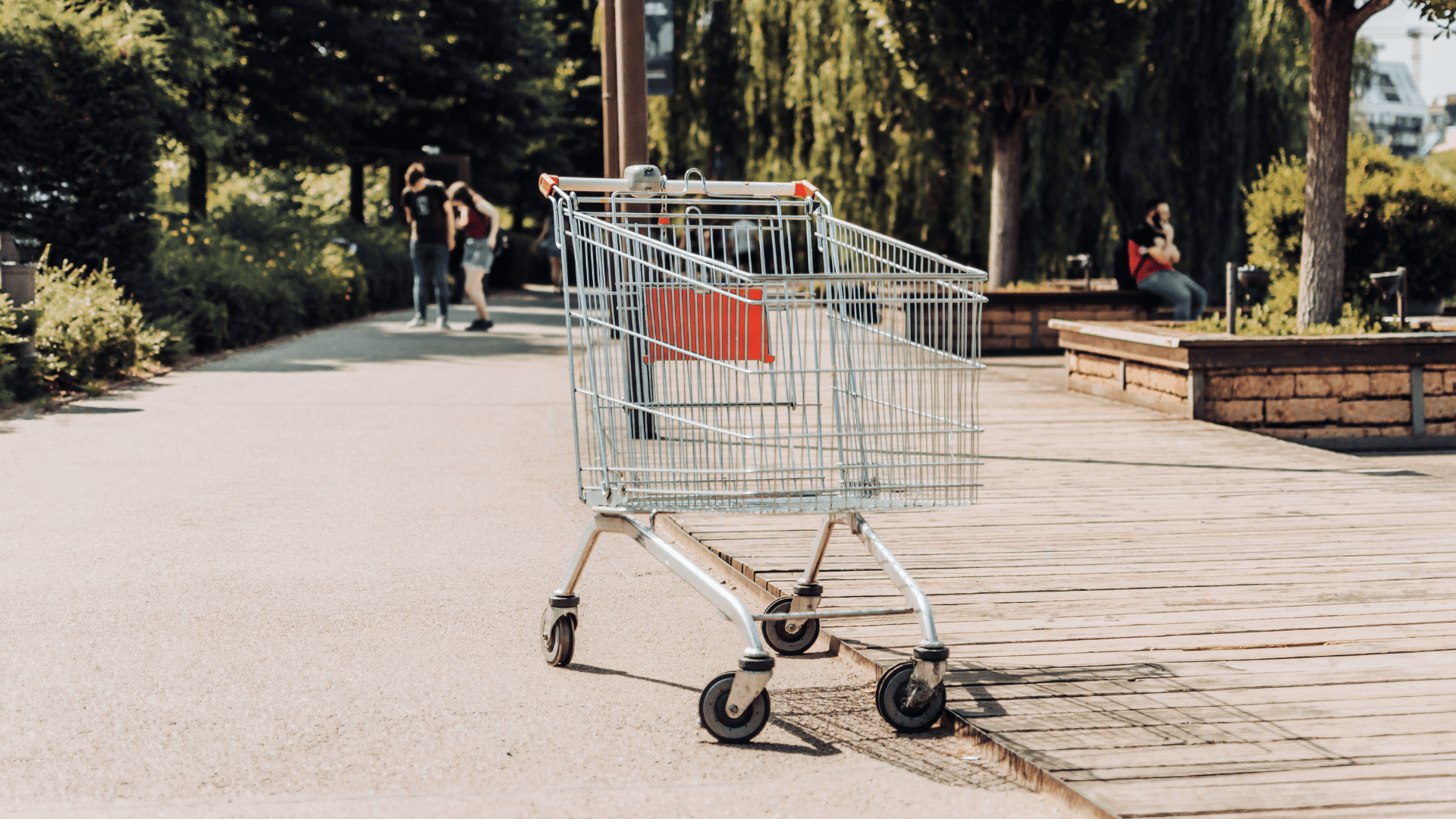
According to Zotasell data, in stores that do not use upsell features or personalized follow-ups, the interaction rate with in-cart recommendations is only 10–15%, and approximately 85% of upsell impressions are ignored entirely. More than half of these shoppers never return unless proactively re-engaged.
For smaller stores with low order volumes, the revenue impact of cart recovery may seem limited. The number of daily abandoned carts is relatively small, so the gains are modest. However, for B2B merchants, Shopify Plus stores, and enterprise-level retailers, the situation is very different.
These businesses often manage tens of thousands of SKUs, complex catalogs, and high daily order volumes. At this scale, even a 0.5–1% increase in recovered revenue or AOV can translate into meaningful top-line growth. For example, a store processing 20,000 orders per month can generate significant incremental revenue by recovering a small share of abandoned carts or increasing upsell acceptance rates through targeted email campaigns.
Enterprise merchants also face operational complexity. They often run multiple fulfillment flows, apply regional pricing, manage tiered customer groups, and support wholesale accounts. These factors demand automated, AI-powered solutions that scale efficiently across large catalogs and sophisticated buying journeys. Manual setups or basic reminder emails are no longer effective at this level.
For these businesses, abandoned cart upsell strategies are more than tactical optimizations. They are strategic revenue levers. Improving upsell performance within cart recovery flows can directly influence total revenue, customer lifetime value, and operational efficiency without increasing marketing spend or team workload.
Solution: From Cart Reminders to Sales Channel
Most merchants still rely on abandoned cart emails in their simplest form: sending a brief reminder with a single link back to the checkout page. While this approach is easy to set up, it does little to address the real reasons behind shopper hesitation. According to Zotasell’s 2025 internal survey of more than 500 merchants, over 62% of shoppers abandon their carts because they haven’t found the right product, not because of pricing or technical issues.

Zotasell reimagines abandoned cart emails as a strategic sales touchpoint, not just a reminder. Instead of sending generic messages, the platform uses AI to deliver personalized product recommendations directly within abandoned cart emails, helping shoppers discover more relevant alternatives and increasing their likelihood of returning to complete the purchase.
The process works as follows:
Step 1: Schedule automated abandoned cart emails to send after a set period, commonly four hours after Shopify reports the cart abandonment.
Step 2: Analyze cart data and browsing history to identify similar or high-conversion products. Factors considered include product category, attributes, previous click behavior, and store-wide bestsellers.
Step 3: Embed these personalized recommendations directly into the email, allowing shoppers to browse relevant alternatives without navigating back to the website.
Step 4: Let AI handle optimization automatically, removing the need for merchants to manually configure product pairings. This saves time, reduces errors, and scales seamlessly with large catalogs.
When executed effectively, abandoned cart upsell emails yield measurable results. Across stores using Zotasell in Q3 2025:
- Email click-through rates were 2.1× higher than traditional abandoned cart emails.
- Return-to-checkout rates rose by 18-25% on average, with the strongest impact seen in fashion, beauty, and FMCG sectors.
- Upsell acceptance rates ranged between 18-30%, compared to just 6–8% for generic reminder emails.
For Shopify Plus, B2B, and enterprise merchants with large catalogs and high order volumes, this strategy has an even greater impact. At this scale, recovering just 0.5–1% of abandoned carts or raising AOV by a few points can generate substantial revenue. AI-powered upsell emails become a strategic growth lever, not just another marketing tactic.
This approach turns abandoned cart emails into a high-conversion channel. It reaches shoppers at the exact moment they are weighing their options. By presenting relevant alternatives through AI recommendations, merchants can recover lost sales more efficiently and drive sustainable AOV growth.
Why Zotasell Stands Out from Traditional Cart Reminder Apps
Most abandoned cart apps only send a reminder email with a single checkout link. This is a basic tactic, but it fails to address the real causes of hesitation. As a result, conversion rates remain low. In many cases, these emails act as passive reminders. Shoppers, however, often need active help to find the right product and complete their purchase.

Zotasell takes a different approach. Instead of sending a simple reminder, it turns email into an active sales channel. By using AI and unified data, Zotasell delivers persuasive and personalized product recommendations. Its key differentiators include:
- AI Recommender System
Automatically analyzes cart behavior, browsing history, and bestsellers to deliver highly relevant suggestions without manual setup. This significantly boosts engagement and return-to-checkout rates compared to traditional emails. - Upsell Directly Within the Email
Rather than linking back to the site, Zotasell emails display multiple relevant products that customers can select directly from their inbox. This is especially effective for shoppers who abandoned it because the original product wasn’t the right fit. - Seamless Multi-Touchpoint Integration
All Zotasell features: Add-to-Cart Popup, Cart Upsell, Post-Purchase, and Just For You Page, operate on the same AI system, ensuring consistent recommendations and a cohesive customer experience across the entire journey. - Detailed Real-Time Reporting
Merchants can monitor the performance of each campaign, placement, and recommendation, and refine strategies based on real behavioral data. - Fast, Code-Free Setup
All features can be activated and running in under ten minutes without any code changes, making Zotasell accessible to merchants of all sizes, even without in-house technical teams.
By combining AI, real-time personalization, multi-touchpoint integration, and robust reporting, Zotasell doesn’t just remind customers to return, it proactively creates new sales opportunities. This is the key to increasing cart recovery rates and sustainably raising AOV.
Real Results from Brands Using Zotasell
| Brand | Industry | Strategy | Key Results |
| Bonny & Read | Fashion | Add-to-Cart Popup + Email Upsell | 26.06% AOV increase, 54.75% upsell acceptance, 2.3× higher email CTR |
| Chef Clean | Home Care | Popup + Post-Purchase + Email Upsell | 1,506.71% upsell revenue growth in 30 days |
| Boston Bay | Food & Gifts | Cart + Email Upsell | 11.80% of total revenue from upsell in 30 days |
| Yodee | Parenting | Just For You Page + Email Upsell | Significant increase in cross-sell rate through personalized recommendations |
| Sungboon Editor | Beauty | Cart Popup + Email Upsell | Strong revenue growth from skincare bundles and increased email CTR |
On average, merchants that implement Abandoned Email Upsell see a clear and measurable impact across key performance indicators:
- Recovered Carts: Cart recovery rates increase by 15-25% as hesitant shoppers are re-engaged through personalized, well-timed follow-up emails.
- Upsell Acceptance: Email upsell acceptance rates improve by 18–30%, reflecting the stronger relevance and persuasive power of AI-driven product recommendations.
- Average Order Value: Merchants report a 10–26% uplift in AOV, driven by strategically embedded upsell offers that encourage customers to expand their purchases.
- Implementation Speed: Full setup is typically completed in under ten minutes, requiring no technical expertise or complex integrations.
Quickly Measuring Upsell Neglect and Cart Abandonment Rates
A clear measurement framework is essential for diagnosing conversion bottlenecks and optimizing abandoned cart upsell campaigns. By tracking a focused set of key performance indicators, merchants can understand not only the operational effectiveness of their campaigns but also how well product recommendations align with real customer intent. Key Metrics to Track:
1.Upsell Ignore Rate
(Impressions − Clicks) / Impressions
This metric represents the proportion of shoppers who viewed a recommendation but took no action. A high ignore rate typically indicates suboptimal placement, weak visual hierarchy, or poor presentation, causing shoppers to overlook upsell offers altogether.
2. Upsell Acceptance Rate
Add-to-cart from recommendation / Impressions
This reflects the persuasiveness and relevance of the recommended products. Strong acceptance rates generally fall between 18–30%, depending on the industry. Lower figures often signal a misalignment between suggested products and customer preferences.
3. Attach Rate
Orders containing upsell products / Total orders
Attach rate provides a direct measure of the revenue contribution generated through upsells. Unlike engagement metrics, this focuses on actual purchasing behavior, making it a key indicator of business impact.
4. Cart Abandonment Rate
(Checkouts initiated − Completed orders) / Checkouts initiated
This critical metric quantifies the proportion of shoppers who initiate checkout but do not complete it. Rates often reach 70–80% during peak periods. Tracking abandonment over time helps identify optimal moments to trigger personalized upsell and reminder emails.
5. Recovered Orders Rate
Recovered orders / Abandoned checkouts
This metric evaluates the effectiveness of abandoned cart email campaigns in converting hesitant shoppers into paying customers. High recovery rates typically indicate well-timed, relevant recommendations and strong message design.
How to Interpret and Act on These Metrics
These metrics are closely interconnected. A high ignore rate typically points to discoverability or UX issues. A low acceptance rate indicates that the recommended products may not be relevant enough. Elevated cart abandonment rates often reflect shortcomings in email timing, content personalization, or the follow-up sequence.
Merchants can improve performance by breaking down recommendation blocks to reduce visual clutter. They should optimize placement to make offers more visible and ensure a closer match between recommended and original products. It also helps to test email send times in the four- to eight-hour window after cart abandonment, when purchase intent remains high.
Within Zotasell, these metrics appear in real time through Offer Acceptance, Upsell Rate, Email Upsell Performance, and Recovered Carts reports. This unified analytics layer makes it easier to diagnose issues and optimize strategies without juggling multiple disconnected tools.
Afterthought
Abandoned cart emails are often seen as a basic retention tactic. When executed strategically, however, they can become a powerful revenue channel. By combining AI-driven product recommendations with detailed, real-time reporting, merchants can re-engage hesitant shoppers and drive sustainable growth in average order value over time.
The performance of brands such as Bonny & Read, Chef Clean, and Boston Bay demonstrates the tangible impact of this approach. When personalization and timing are aligned, abandoned cart emails transcend their traditional role as reminders and operate as a genuine upsell engine. This strategy is both simple and cost-effective, yet capable of delivering meaningful business outcomes in an increasingly competitive eCommerce environment.
Zotasell empowers merchants to implement this strategy seamlessly, turning abandoned carts into measurable revenue through AI personalization, automated campaigns, and real-time analytics. Start leveraging Zotasell to recover more carts and boost AOV with minimal setup and maximum impact.

Join in our newsletter
Need more detail?
Access our Help Center & Resources to learn how Zotasell works, explore use cases, and share with your team.